Beginners often dream of playing the piano, envisioning the joy of creating beautiful melodies. Starting piano lessons can be both exciting and intimidating. Questions may swirl in your mind: Will I be good at it? What should I bring? What happens in the first lesson? Understanding what to expect can help ease your nerves and set a positive tone for your musical journey. This guide will lead you through the essential aspects of beginner piano lessons, focusing on what you can anticipate and how to prepare for your first class.
Understanding the Basics of Piano Playing
Different Types and Models of Pianos
Before diving into lessons, it’s crucial to know about the various types of pianos available. Whether you have an acoustic piano, an upright, or a digital keyboard, each has its unique characteristics. Acoustic pianos offer rich, resonant sounds that digital pianos often try to replicate. Digital keyboards are versatile and portable, making them popular among beginners. Understanding these differences can help you choose the right instrument for your learning environment.
Basic Music Theory for Beginners
As you begin your journey, you will encounter fundamental music theory. It is the foundation for understanding how music works. Familiarize yourself with the staff, notes, and rhythms. Learning to read sheet music may seem daunting at first, but it’s an essential skill that will open up a world of possibilities. Start with the basics, such as understanding whole notes, half notes, and quarter notes, and how they correspond to the piano keys.
Preparing for Your First Piano Lesson
Choosing the Right Teacher or Course
Selecting the right teacher or course is crucial. Look for instructors who are patient, encouraging, and experienced in teaching beginners. Their teaching style should resonate with you, making the learning process enjoyable. Many teachers offer trial lessons, which can be an excellent way to find your perfect match. Consider your learning preferences, some may thrive in group settings, while others prefer one-on-one instruction.
Essential Materials and Tools Needed
Preparing for your first lesson means gathering essential materials. You’ll need a notebook for taking notes, a metronome for keeping time, and possibly a keyboard or piano for practice at home. You might also consider purchasing beginner books that include exercises and simple songs. These resources will aid in your learning and provide structured guidance.
What Happens in the First Piano Lesson?
Introduction to the Piano Keys and Their Functions
Your first lesson will likely start with an introduction to the piano itself. You will learn about the layout of the keyboard, identify the white and black keys, and understand how they correspond to musical notes. This foundational knowledge sets the stage for everything that follows.
Learning Simple Exercises and Notes
Next, your teacher will introduce you to basic exercises. You might begin with simple scales or finger exercises designed to build dexterity. These exercises are vital for developing muscle memory. You will also start learning to read simple sheet music, which will help you play your first notes.
The Importance of Hand and Body Posture
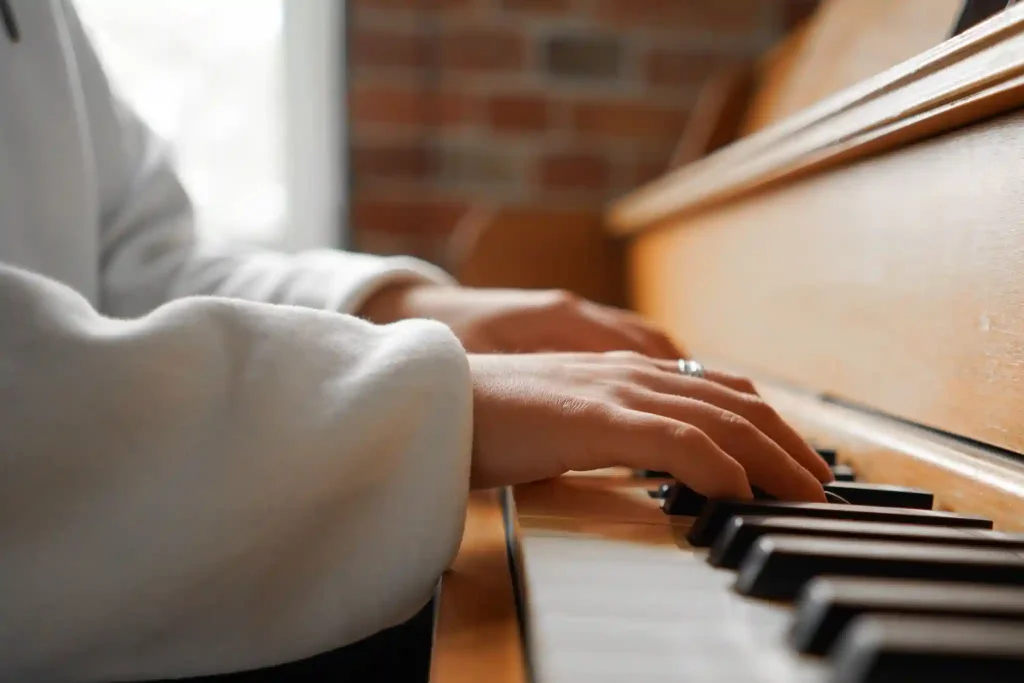
Proper hand and body posture are crucial for effective playing. Your instructor will guide you on how to position your hands over the keys and maintain a relaxed posture. This guidance is essential to avoid strain and promote effective playing techniques. Good habits formed early on will benefit you as you progress.
Tips for a Successful Start in Piano Lessons
The Importance of Regular Practice
Success in learning the piano hinges on regular practice. Aim for consistent, focused practice sessions rather than infrequent, lengthy ones. Daily practice, even if only for 15 to 30 minutes, can lead to significant progress. Establish a routine that fits into your schedule, making it a natural part of your day.
How to Maintain Motivation and Interest
Staying motivated can be one of the biggest challenges for beginners. Set achievable goals to maintain your enthusiasm. Celebrate small victories, whether it’s mastering a scale or playing your first song. Joining a community of fellow learners can also be motivating. Sharing experiences and challenges with others can be encouraging and foster a sense of connection.
Common Challenges for Beginners and How to Overcome Them
Dealing with Frustration and Developing Patience
It’s natural to encounter obstacles on your learning journey. Frustration can arise when progress seems slow. Remember, learning an instrument is a marathon, not a sprint. Be patient with yourself. If you find a particular exercise difficult, give yourself permission to step back and revisit it later. Consistency is key, and over time, you will notice improvement.
Tips for Improving Finger Dexterity and Coordination
Developing finger dexterity and hand coordination takes time and practice. Regular finger exercises can improve your agility. Start slowly, focusing on accuracy, and gradually increase your speed as you become more comfortable. Don’t hesitate to ask your teacher for specific exercises tailored to your needs.
The Path to Progress: What Comes After the First Lesson
Setting Realistic Goals and Expectations
After your first lesson, it’s important to set realistic goals. Consider what you would like to achieve in the short and long term. Perhaps you want to learn to play a specific song or master a particular technique. Setting clear, attainable goals will keep you focused and motivated throughout your learning journey.
Recommended Practice Resources and Materials for Beginners
As you progress, explore various resources to enhance your learning experience. Online platforms offer a wealth of tutorials, sheet music, and practice tools. Consider investing in beginner piano books that provide structured lessons and exercises. These materials can complement your lessons and offer additional practice opportunities at home.
Conclusion
Embarking on your piano journey is an exciting adventure filled with possibilities. Your first piano lesson is just the beginning of a lifelong relationship with music. By understanding what to expect and preparing adequately, you can create a positive and enriching experience. Remember, every expert was once a beginner. Embrace the journey, enjoy the process, and let the music inspire you.
FAQ
How long should I practice daily?
Aim for at least 15 to 30 minutes of focused practice each day. Consistency is more important than duration.
What are the best online resources for piano beginners?
Websites like YouTube and music education platforms provide excellent tutorials and sheet music.
Which simple songs can I learn as a beginner?
Start with classics like “Twinkle, Twinkle, Little Star” or simple pop songs that you enjoy.